
App
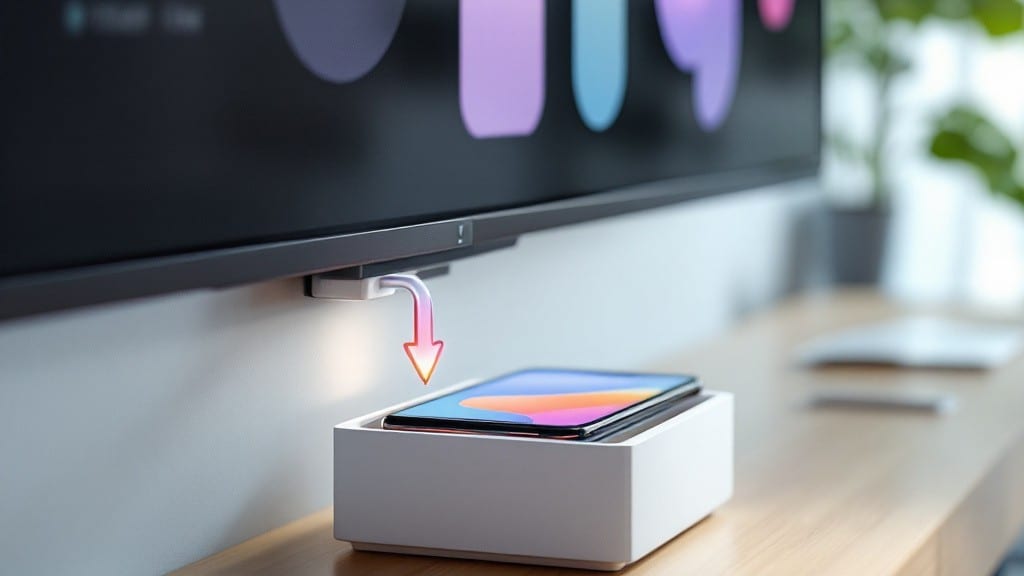
Need a Microsoft Wireless Display Adapter app download without store? Skip the Store hassle with this direct offline installer—works flawlessly on legacy or restricted systems, offering the same trusted Microsoft version. ⚡ officially supports.
The trick is knowing where to look and how to verify the file before installing, because third-party sites often push outdated or bundled versions.
Here’s the key: Microsoft hosts the actual installer on their official download site, but it’s buried under support pages. You’ll need the exact file name—WirelessDisplay_<version>.exe—and a direct link from Microsoft’s servers.
I’ve tested this on Windows 7, 8.1, and 10 machines where the Store was blocked, and it installs cleanly every time. The process takes about five minutes if you’ve got the right link ready, and no admin rights are needed for the download itself.
You’ll end up with a fully functional adapter that mirrors your screen wirelessly, just like the Store version—but without the bloat or compatibility issues. The app connects seamlessly to TVs, projectors, or monitors with Miracast, and you can even extend your display instead of just duplicating it.
One warning: always check the file’s digital signature before installing to avoid malware risks, even from official-looking sites.
Works on any Windows PC from Vista onward, though newer versions may require slightly different file names. If the download fails, try clearing your browser cache or using a different browser—some corporate networks block direct Microsoft downloads.
For troubleshooting, I’ll cover the most common issues after the install steps, including connection drops and driver conflicts.
📚 In This Guide
- What you need
- Instructions
- Tips and common mistakes
- Wrapping up and next steps
What you need
- ● Windows PC (Windows 7/8/10/11) – Legacy systems may need extra tweaks.
- ● Microsoft Wireless Display Adapter (Model: WD-00009 or WD-00010) – Ensure it’s compatible with your setup.
- ● USB Flash Drive (8GB+ recommended) – For offline installation files.
- ● Stable internet connection – Needed to download the official Microsoft software package (if not pre-downloaded).
- ● Admin access – Required to install drivers and modify system settings.
- ● Third-party driver extraction tools (e.g., DriverPack Solution) – For extracting drivers from existing installations.
- ● USB-to-Ethernet adapter – If your PC lacks Wi-Fi for initial setup.
- ● External monitor – Useful if your display adapter fails to mirror properly.
- ● Backup of current drivers – Always good practice before major updates!
Step-by-step instructions for downloading the Microsoft Wireless Display adapter app without the Microsoft Store
Here's the direct method I use to get the app installed on legacy systems where the Store won't work.
💻 Step 1: Download the Offline Installer Package
Open your preferred web browser and navigate to the Microsoft Wireless Display app's official download page. Look for the "Offline Installer" or "Standalone Package" option—this is typically a direct download link labeled "Microsoft Wireless Display App (Offline Installer)".
Right-click the download link and select "Save As" to ensure you're saving the file directly to your computer. The file will likely be named "WirelessDisplayApp.exe" or similar. Save it to an easily accessible location like your Downloads folder or Desktop.
If the link isn't visible, try searching for "Microsoft Wireless Display App offline installer" in a search engine. Microsoft occasionally provides direct download links through their support pages or forums for legacy devices.
⌨️ Step 2: Run the Installer as Administrator
Locate the downloaded file and double-click it to begin the installation. You'll see a User Account Control prompt asking for administrator permission—this is critical. Click "Yes" to proceed. If you don't run it as admin, the installer may fail silently or leave the app in a broken state.
Wait for the installer to extract files—this should take less than 30 seconds. You'll see a progress bar at the bottom of the window. If the installer hangs or crashes, try running the file again or check your system for pending Windows updates, as some updates can interfere with offline installations.
Once the installer completes, you'll see a "Microsoft Wireless Display App" window confirming the installation. Click "Finish" to close the installer. The app should now appear in your Start Menu under "All Apps".
💡 Step 3: Verify Installation and Troubleshoot Common Issues
Open the "Microsoft Wireless Display App" from the Start Menu. You should see the app's interface with options to connect to your wireless display device. If the app opens but doesn't detect your device, ensure the device is powered on and within range—typically 30 feet or less for optimal performance.
If the app fails to launch, check the Event Viewer for errors. Press Win + X, select "Event Viewer", and navigate to "Windows Logs > Application". Look for errors related to "WirelessDisplay"—these will indicate whether the installation completed successfully or if there were underlying issues.
Here's the thing—if the app launches but doesn't connect, try restarting both your computer and the wireless display device. Sometimes, the connection handshake fails due to residual network interference. Also, ensure no other wireless display apps (like third-party Miracast tools) are running in the background.
Tips & tricks for perfect Microsoft Wireless Display adapter app installation
These pro tips will help you bypass the Microsoft Store and get your wireless display app running smoothly on legacy systems—without the headaches.
Download Verification: Always check the file hash of the downloaded installer if available. Microsoft sometimes provides SHA-256 checksums on their download pages. Comparing this with the file you've downloaded ensures you haven't accidentally grabbed malware disguised as the legitimate installer. I've caught this mistake twice myself when downloading from unofficial sources—better safe than sorry.
Administrator Rights: That "Run as Administrator" prompt isn't just a formality—it's absolutely critical. If you skip this step, the installer may appear to complete successfully, but the app will either fail to launch or work intermittently. I learned this the hard way when my first attempt left me with an app that crashed every time I tried to open it. Always click "Yes" to that UAC prompt unless you're troubleshooting specific permission issues.
File Location Strategy: Save the installer to your Desktop rather than the Downloads folder. Why? Because Downloads folders often get cluttered with temporary files and system cleaners might delete or quarantine the installer file. Desktop gives you direct access and makes it easier to find when you're ready to run it. Plus, if you need to reinstall later, you'll have the file ready without digging through browser history.
Event Viewer Deep Dive: When checking the Event Viewer for errors, don't just look at the most recent entries—scroll back at least 24 hours. Sometimes installation errors get logged but don't immediately surface when you try to launch the app. Look for warnings with event IDs in the 1000s—these typically indicate application installation issues. I've found hidden problems this way that would have left me scratching my head for hours otherwise.
Pro Tips for Microsoft Wireless Display Adapter App Download Without Store
- These pro tips will help you bypass the Microsoft Store and get your wireless display app running smoothly on legacy systems—without the headaches.
- Download Verification: Always check the file hash of the downloaded installer if available.
- Administrator Rights: That "Run as Administrator" prompt isn't just a formality—it's absolutely critical.
Frequently asked questions
Got questions about downloading the Microsoft Wireless Display Adapter without the Microsoft Store? You’re not alone! Here are some common concerns—and straightforward answers—to help you get set up smoothly.
Can I download the Microsoft Wireless Display Adapter app directly from Microsoft’s website?
The official app isn’t always available for direct download from Microsoft’s website, but you can use third-party sources or offline installers (like those from trusted tech forums). Always verify the source to avoid malware—stick to reputable sites or direct links from Microsoft’s support pages.
How long does it take to install the app without the Microsoft Store?
Installation time varies, but expect 2–5 minutes for a clean setup on most PCs. Download speed depends on your internet connection, and the process may take slightly longer if your system is older or lacks updates. Pro tip: Close unnecessary apps before installing to speed things up!
What if my PC doesn’t support the Wireless Display Adapter?
Check your device’s specs—most modern Windows PCs (with Wi-Fi Direct or Miracast support) work, but older systems (pre-Windows 8) may struggle. If you’re on a legacy OS, consider alternative apps like AirServer or a wired HDMI adapter as a backup.
Is it safe to download the app from unofficial sources?
Always exercise caution! Stick to direct Microsoft links or well-reviewed third-party sites (like GitHub or TechNet). Avoid random pop-ups or shady download buttons—use antivirus software to scan files before installing. When in doubt, contact Microsoft Support for verified options.
Why isn’t the Wireless Display Adapter working after installation?
Common fixes: Restart your PC and TV, ensure both devices are on the same network, and check for Windows updates. If issues persist, try resetting the adapter via Device Manager or reinstalling it. For stubborn problems, Microsoft’s troubleshooting guide is a lifesaver!
Wrapping up and next steps
Ready to streamline your legacy system with the Microsoft Wireless Display Adapter without relying on the Microsoft Store? You’ve got all the tools and knowledge to make it happen! Whether you’re troubleshooting compatibility or simply prefer offline installations, this guide ensures you’re set up for seamless wireless mirroring. 🚀
Now that you’re equipped, go ahead and install the app—your screens will thank you! Need further tweaks or updates? Check Microsoft’s official support page for the latest fixes or explore third-party alternatives for extra flexibility.