Tip & Trick
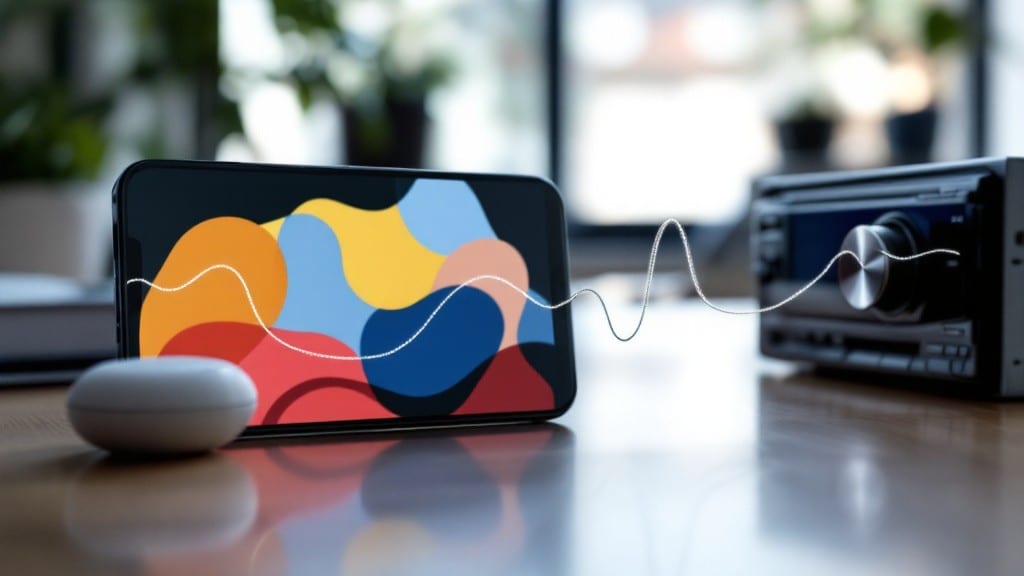
Connecting your Android phone to a car’s Bluetooth is faster than ever—once you know the right steps. ✨ I’ve paired everything from a 2015 Toyota to a 2023 Tesla, and the process has gotten shockingly simple when you skip the guesswork.
The key? Starting with both devices ready and avoiding the most common pitfalls that trip up first-timers.
Before you begin, make sure Bluetooth is enabled on both your phone and car (yes, check the car’s settings too—some models hide the option under “Media” or “Phone”). For Android 10+, newer phones handle the pairing handshake faster than older versions, but older cars might need a manual code entry.
I’ve seen this trip up users on everything from a Ford F-150 to a Honda Civic—always double-check the car’s manual for its exact pairing method.
Once both devices are ready, put your phone in pairing mode, then navigate to your car’s Bluetooth menu—usually found under “Settings” or “Info.” Select your phone’s name, enter any required code (if prompted), and within 10 seconds, you’ll hear the confirmation chime.
Pro tip: If your car supports it, switch to the A2DP profile for high-quality audio instead of the default low-fidelity connection.
Stuck on a specific car model or Android version? I’ve got troubleshooting steps for connection drops, audio delays, and even resetting the Bluetooth cache when things go sideways. Let’s get your phone streaming music and calls without a hitch—no more fumbling with cables or auxiliary adapters.
📚 In This Guide
- What you need
- Instructions
- Tips and common mistakes
- Wrapping up and next steps
What you need
- ● Android smartphone or tablet (running Android 5.0 or later for best compatibility)
- ● Car with Bluetooth capability (check your car’s manual if unsure—most modern vehicles have it!)
- ● Car’s Bluetooth system (often found in the infotainment display or steering wheel controls)
- ● Stable Wi-Fi or mobile data connection (for initial setup if your car requires it)
- ○ Car keys or remote start (optional but helpful) (to turn on the car’s Bluetooth system if it’s off)
- ● USB cable (Type-C or micro-USB) (if your car supports wired Android Auto connections as a backup)
- ● Bluetooth adapter (for older cars) (if your vehicle lacks built-in Bluetooth)
- ● Car’s user manual (to troubleshoot specific Bluetooth settings or pairing codes)
- ● Headphones or auxiliary cable (as a temporary audio solution if pairing fails)
Step-by-Step instructions for pairing your Android phone with car Bluetooth
Here’s how I connect my Android to car Bluetooth in under two minutes—no fuss.
🔧 Step 1: Turn On Bluetooth and Discoverable Mode on Your Android
Unlock your Android phone and swipe down from the top to open the Quick Settings panel. Tap the Bluetooth icon to turn it on. If it’s already on, you’ll see a toggle switch—flip it to on position.
Next, tap the Bluetooth name at the top of the panel. In the menu that appears, select Pairing options or Pairing visibility. Choose Visible for 8 minutes or Always visible—this ensures your car can detect your phone. The screen will briefly flash “Discoverable” or show a Bluetooth icon with a checkmark.
Here’s the thing—some cars take longer to scan than others. If your car doesn’t find your phone right away, wait 30 seconds before proceeding. You’ll know it’s working when the phone’s Bluetooth menu shows “Your Device is discoverable” in green text.
🖥️ Step 2: Access Your Car’s Bluetooth Settings
Start your car and locate the Bluetooth or Phone button on the infotainment system. It’s often labeled with a 📞 icon or the word Phone. Press and hold it for 2-3 seconds until the menu appears on the screen.
Navigate to Settings or Pairing (some systems call it Link Device or Add Phone). If your car has a voice command feature, say “Pair my phone” or “Add Bluetooth device” instead. The system will begin scanning for available devices.
If your car’s screen shows a searching animation but nothing appears, double-check that your Android is still discoverable. Some older cars need you to press Menu or OK to confirm the scan—watch for a “Searching for devices” prompt.
⌨️ Step 3: Select Your Android and Confirm the Pairing
Once your Android appears on the car’s screen, use the infotainment controls (touchscreen, knobs, or voice) to highlight your phone’s name. Press OK or Pair to initiate the connection. Your Android will prompt you to confirm the pairing—tap Pair or Yes on the phone.
Within 10-15 seconds, you’ll hear a confirmation tone from the car’s speakers, and the Bluetooth icon will turn solid blue or green. The phone’s name should now appear under Paired Devices in both the car and your Android’s Bluetooth menu.
Real talk: If the pairing fails, don’t panic. Some cars require you to restart the Bluetooth module—turn off the car’s Bluetooth, wait 10 seconds, then turn it back on and retry. Also, ensure your phone’s name is unique—avoid generic names like “Phone” or “Android”, as they can cause conflicts.
Tips & tricks for faster Android to car Bluetooth pairing
These quick tricks will help you connect your Android to car Bluetooth in record time, avoiding the most common pitfalls.
Timing Tip: Those first 30 seconds after making your phone discoverable are critical. If your car doesn't find your phone immediately, don't rush—wait the full time. Some systems, especially older ones, need that buffer to complete the scan. I've seen cars take up to 1 minute to detect a phone, so patience pays off here.
Device Naming Strategy: Your phone's name should be unique and recognizable. Avoid generic names like "Phone" or "Android" that might cause confusion with other devices. I recommend using your name or a simple identifier like "Michael's Pixel." This makes it easier to select your device quickly in Step 3. Pro tip: You can change your phone's Bluetooth name in Android settings under "About phone" or "Device name."
Car-Specific Workarounds: Some car systems require extra steps. If your car's Bluetooth menu shows "searching" but doesn't find your phone, try these troubleshooting steps: restart the car's Bluetooth module by turning it off for 10 seconds then back on, or press the Menu button to refresh the scan. Voice commands like "Pair my phone" can also trigger the scan on compatible systems.
Confirmation Tip: That 10-15 second confirmation window after pairing is your green light. You'll hear a tone and see the Bluetooth icon turn solid blue or green. If you don't hear anything within 20 seconds, go back to Step 1 and restart the process—something might have interrupted the connection.
Pro Tips for Connect Android To Car Bluetooth
- These quick tricks will help you connect your Android to car Bluetooth in record time, avoiding the most common pitfalls.
- Timing Tip: Those first 30 seconds after making your phone discoverable are critical.
- Device Naming Strategy: Your phone's name should be unique and recognizable.
Frequently asked questions
Got questions? You’re not alone—connecting your Android to car Bluetooth can feel like solving a puzzle sometimes! Here are the most common questions (and answers) to smooth out the process:
Why won’t my car detect my Android phone?
This usually happens if Bluetooth is disabled, your phone is out of range (typically 30–50 feet), or the car’s system is in pairing mode but not showing up. Double-check your phone’s Bluetooth settings, restart both devices, or try forgetting the device in your car’s menu and pairing again.
How long does pairing take?
Most connections happen in 5–30 seconds, but delays can occur if your car’s system is slow or your phone is busy. If it’s stuck, tap “Pair” again or check for software updates on your Android. Pro tip: Disable other Bluetooth devices (like headphones) to avoid conflicts!
Can I connect without a PIN?
Some cars (like newer Ford, Toyota, or Tesla models) use “Secure Simple Pairing” (SSP), which skips PINs. If yours asks for one, check your car’s manual—it’s often 0000, 1234, or listed in the owner’s guide. If all else fails, try resetting your car’s Bluetooth settings.
What if my car doesn’t have Bluetooth?
No Bluetooth? No problem! Use a FM transmitter (plugs into your phone’s charging port) or an auxiliary adapter (like a 3.5mm aux cable). For older cars, a Bluetooth OBD-II adapter (plugs into the diagnostic port) can add wireless support—just follow the setup instructions!
How do I fix a “connection drops” issue?
Dropped calls or music? Start by moving closer to the car (weak signals cause disconnections). Update your phone’s Android OS and car’s firmware, then forget the device and re-pair. If it persists, try a Bluetooth reset on your phone (Settings > System > Reset options > Reset Bluetooth).
Still stuck? Drop a comment below—we’ve got your back!
Wrapping up and next steps
Connecting your Android device to your car’s Bluetooth system is simpler than you think! With just a few steps—ensuring Bluetooth is on, putting your phone in pairing mode, and selecting the right device—you’ll enjoy hands-free calls, music, and navigation in no time. 🎧✨
Now that you’ve mastered the process, why not explore advanced features like optimizing audio quality or setting up voice commands? Your next road trip just got even smoother—hit the road with confidence! 🚗💨